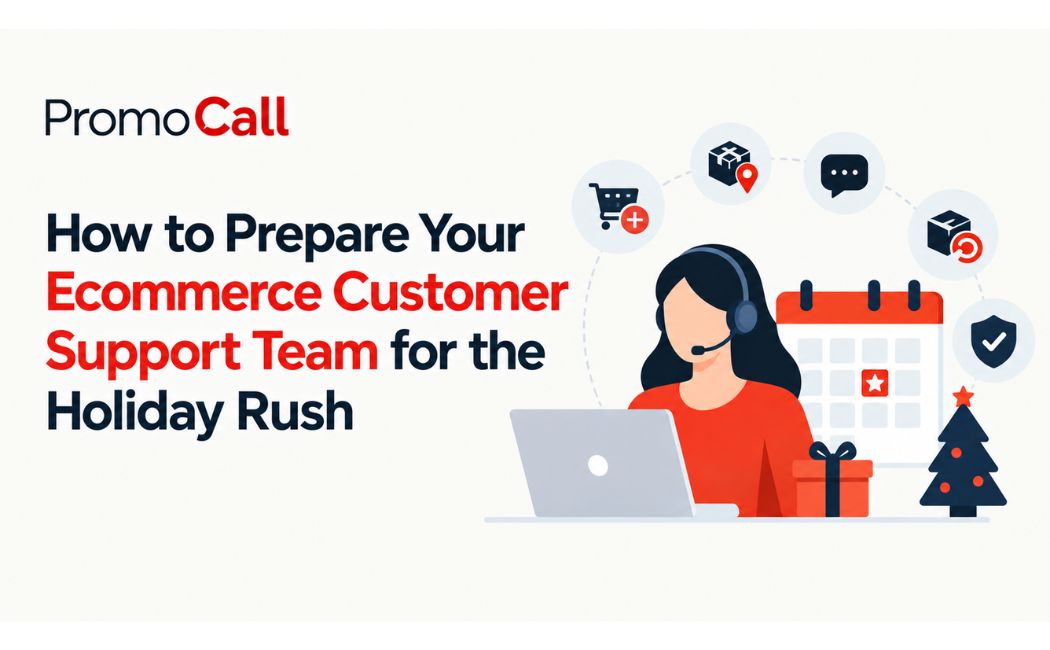
The ecommerce holiday season starts earlier than most support teams plan for, and the fix is to lock in staffing, training, and escalation rules about six weeks before Black Friday. Retail keeps growing: NRF projected that 2025 holiday sales would pass $1 trillion for the first time, and it forecasts 2026 retail sales to grow 4.4% to $5.6 trillion. More orders means more “where is my package,” return, and payment questions, all landing within the same few weeks.
Your marketing team plans the promotions months ahead. Support usually finds out about the volume when the queue is already long. This guide covers what to settle now so you aren’t hiring in a panic in November.
What Changes for Support During the Holidays
| Pressure Point | What Happens | What to Prepare |
|---|---|---|
| Order status questions | Shipping delays and carrier backlogs drive “where is my order” contacts | Clear tracking info, proactive delay messaging, and agents with order system access |
| Returns and exchanges | Gift purchases bring returns that start in late December | Return policy scripts and a plan for January volume |
| Payment and promo issues | Discount codes, failed payments, and double charges spike | Escalation paths and secure payment-handling rules |
| Contact volume spikes | Black Friday through Cyber Monday compresses demand into days | Extra capacity scheduled for those peak windows |
| New-hire ramp-up | Seasonal agents need weeks to reach full speed | Start training early, not the week of the sale |
A Countdown Plan (Working Back From Black Friday)
Black Friday is November 27, 2026, and Cyber Monday is November 30. Here’s a realistic schedule from today:
Now to end of October: decide and scope
- Pull last year’s contact volume by day and channel to find your peaks
- Decide what you’ll handle in-house and what overflows to a partner
- Document your top 15 contact reasons and the right answer for each
First half of November: build and train
- Finalize scripts, escalation rules, and return policy language
- Give new agents access to your order and helpdesk systems
- Run test calls and review them before volume arrives
Late November: peak readiness
- Confirm staffing for the Black Friday to Cyber Monday window
- Brief the team on live promotions and known shipping issues
- Set up daily check-ins to catch problems early
December to January: returns season
- Keep capacity through gift-return volume, which often peaks after the holiday itself
- Review CSAT and repeat-contact rates, and capture lessons for next year
What to Outsource and What to Keep
Many ecommerce teams keep complex or brand-sensitive issues in-house and send repetitive, high-volume contacts to a partner: order status, address changes, return authorization, and basic product questions. A partner is especially useful for overflow and extended hours, because those are the first things to break during a rush. For more on how we handle order work, see our Order Processing and Customer Service services.
A Realistic Note on Timing
If you’re starting now, a full team build is tight but possible, since many partners can launch a dedicated team in roughly 30 days when scope is clear. A smaller seasonal overflow team is the more realistic goal this late. Ask any provider for their real timeline in writing, and don’t accept “we’ll scale up when needed” without named dates and agent counts.
Questions to Ask a Support Partner Before the Rush
- When will agents be trained and live, with dates, not estimates?
- How do you ramp and release seasonal capacity?
- What access do agents need to our order and helpdesk systems?
- How are payment and personal data protected? (See our SOC2, PCI & HIPAA compliance overview.)
- What reporting will we get during peak week?
Our partner selection checklist covers the full list of vendor questions, and our KPI guide explains which metrics to track while the team is under load.
Frequently Asked Questions
When should ecommerce brands start preparing support for the holidays?
Ideally two to three months out. If you’re starting later, focus on a small overflow team and your highest-volume contact types, and lock down escalation rules first.
Do returns really matter more than the sale days?
Returns often produce a second wave of contacts after the holiday, so capacity planning should cover December and January, not just Black Friday week.
Can an outsourced team handle Black Friday volume?
Yes, if it’s trained and given system access before the rush. The risk is starting too late, not outsourcing itself.
What if we only need help for a few weeks?
Seasonal and overflow coverage is a common use case. Agree on the start and end dates, and the rate for that period, up front.
Get Your Holiday Coverage Plan Started
See our Ecommerce industry support or talk to us about an overflow team.