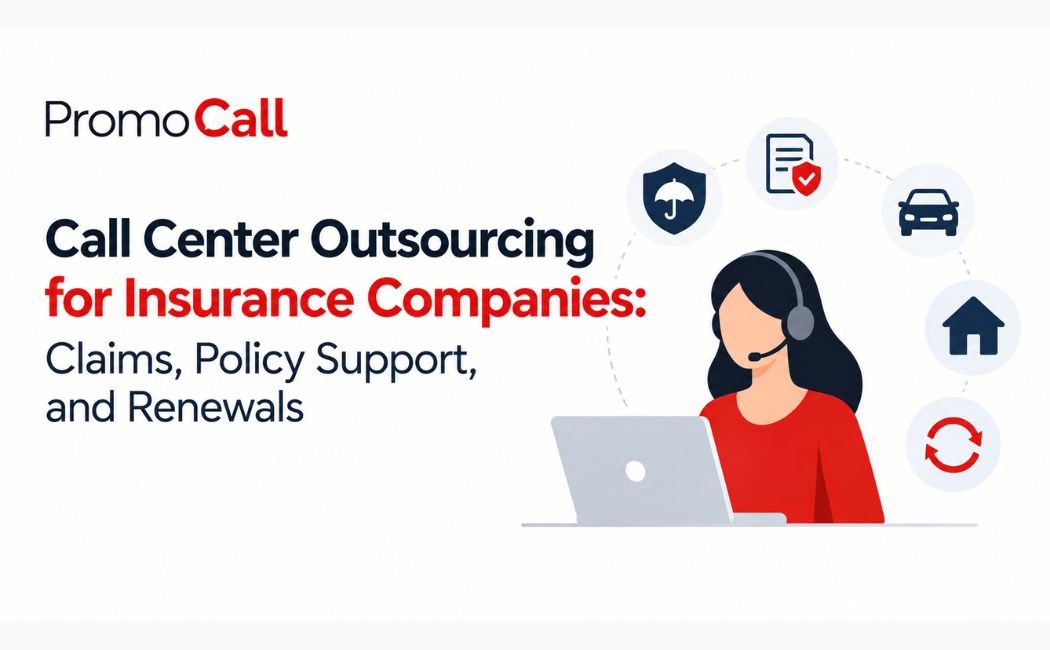
In insurance, the speed and quality of that first phone call can decide whether a policyholder renews — J.D. Power’s Property Claims Satisfaction Study found first notice of loss (FNOL) drives roughly 21% of a claimant’s overall satisfaction, and a separate Hi Marley survey found 68% of policyholders said their initial reporting experience shaped their opinion of the entire claims process. For insurance companies, call center support isn’t just a cost center — it’s a direct lever on retention.
Insurance is a relationship business built on a product customers hope they never have to use. When they do need to use it — filing a claim, checking coverage, asking about a bill — the quality of that interaction carries outsized weight, because it’s often the only meaningful contact a policyholder has with their carrier all year.
Where Call Center Support Matters Most in Insurance
| Function | Why It’s High-Stakes |
|---|---|
| First notice of loss (FNOL) intake | Drives a documented share of overall claim satisfaction — slow or confusing intake damages trust immediately |
| Policy inquiries & coverage questions | Customers need accurate answers on what is and isn’t covered, often during a stressful moment |
| Billing & payment support | Missed or confusing billing interactions directly drive policy lapses |
| Renewal outreach | Proactive renewal support reduces attrition, especially for auto and home policies |
| Agent/broker support lines | Independent agents need fast answers to keep the sales process moving |
| After-hours/emergency claims reporting | Accidents and property damage don’t wait for business hours |
Why First Notice of Loss Deserves Special Attention
FNOL is the moment a policyholder reports a loss and starts the claims process — and the data is consistent across multiple studies: how that first call is handled shapes the customer’s view of the entire claim, regardless of how the claim is eventually settled. A trained call center team can ensure every FNOL call is answered promptly, captures accurate information the first time, and sets clear expectations for what happens next — exactly the factors the research points to as driving satisfaction.
Handling this well at scale, including nights, weekends, and catastrophe-driven volume spikes, is difficult for an in-house team sized for average-day volume. This is where dedicated call center support becomes an operational necessity, not a luxury.
Policy and Coverage Support
Customers calling about coverage details, deductibles, or policy changes need accurate, clearly explained answers — misinformation here creates compliance risk and erodes trust. Agents trained specifically on an insurer’s products and systems can handle these calls consistently, reducing the errors that come from undertrained or overextended staff.
Billing and Payment Support
Confusing billing interactions are a quiet but significant driver of policy lapses — a customer who can’t get a billing question resolved quickly sometimes simply lets the policy lapse rather than push further. Responsive billing support closes this gap before it turns into churn.
Proactive Renewal Outreach
Renewal season creates a predictable volume spike that in-house teams often struggle to staff for. Outbound renewal reminders and support calls handled by a scalable team help reduce non-renewal rates driven by simple inattention rather than genuine dissatisfaction.
Supporting Agents and Brokers
For insurers working through independent agents and brokers, a responsive support line for agent questions keeps the sales process moving — a broker who can’t get a fast answer on an underwriting question may simply place the business elsewhere.
Compliance Considerations for Insurance Call Centers
Insurance is a heavily regulated industry at the state level, with additional federal considerations depending on the product line (health-adjacent products may involve HIPAA, for example). Any call center partner handling insurance communications should be able to speak directly to how they handle call recording requirements, data security, and state-specific regulatory considerations — see our SOC2, PCI & HIPAA compliance breakdown for the certifications that underpin this.
Why Nearshore Fits Insurance Support
A nearshore call center in Mexico offers insurers the same-time-zone responsiveness that FNOL and claims support demand, bilingual coverage for Spanish-speaking policyholders, and the cost efficiency to staff for both average volume and catastrophe-driven spikes without maintaining a permanently oversized in-house team. See what a nearshore call center involves for the broader picture.
Frequently Asked Questions
Can a call center handle FNOL intake accurately, or does that require an adjuster?
Trained agents can handle initial intake — capturing loss details, policy information, and next steps — before routing to an adjuster for the substantive claims handling. The goal is fast, accurate capture, not replacing adjuster expertise.
How does call center support help during catastrophe events with high claim volume?
A scalable partner can add capacity temporarily during catastrophe-driven spikes (major storms, wildfires, etc.), which is difficult for an in-house team sized for typical daily volume to replicate without either overstaffing normally or being overwhelmed during events.
Is outsourcing insurance support compliant with state insurance regulations?
Requirements vary by state and product line, so this should be addressed directly with any provider — including how they handle call recording, data security, and communication standards specific to the states you operate in.
Ready to Strengthen Your Insurance Support Operations?
Schedule a call to discuss your claims and policy support needs →